
Meet Rochelle
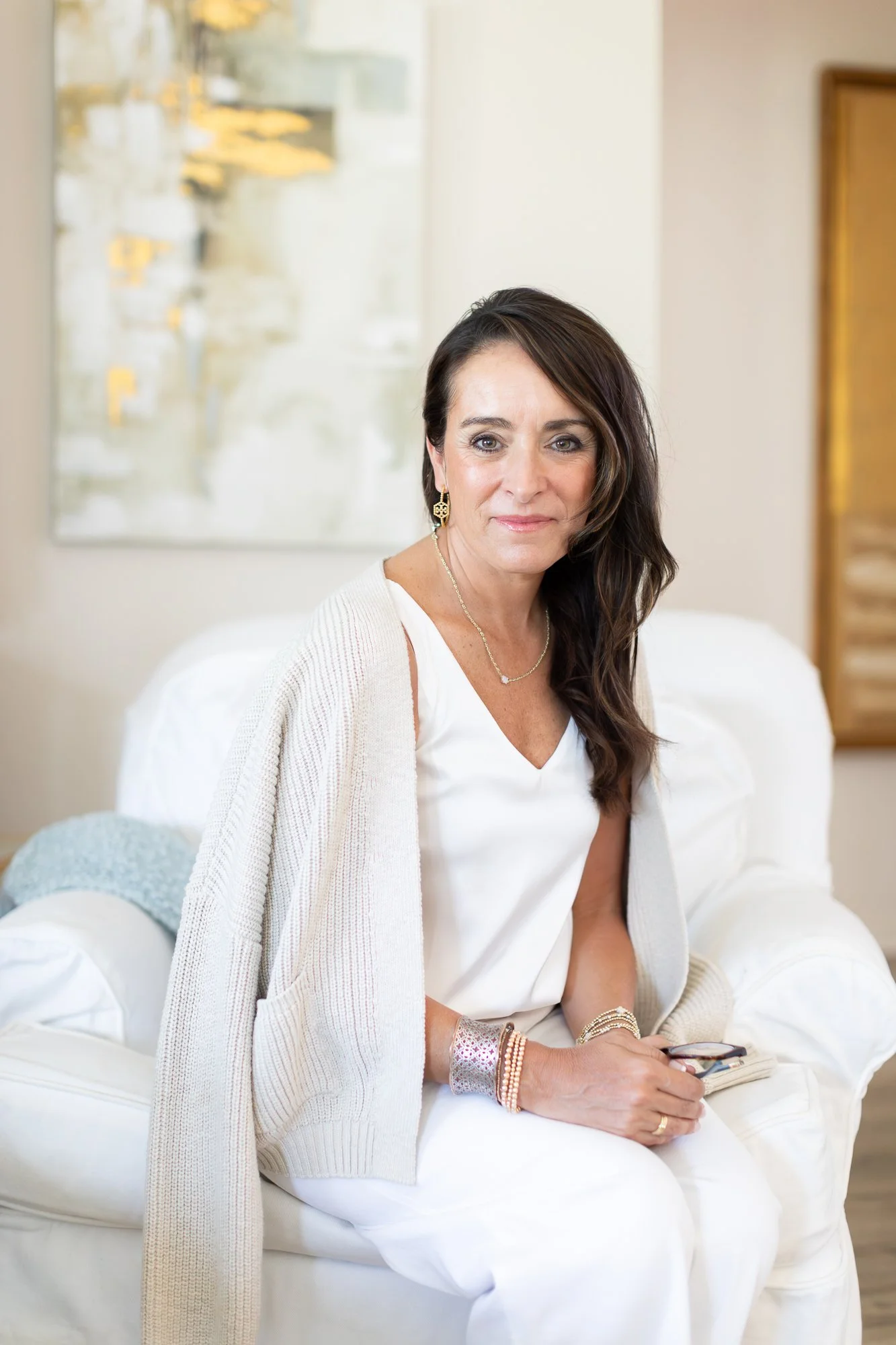
Hello, I’m Rochelle. I am honored to hold your story with you as we find your best path to hope, wellness, and life. I am a trauma-informed Licensed Clinical Counselor and Spiritual Director.
I earned my Master’s in Counseling from The Townsend Institute, where I had the great privilege of studying under Dr. John Townsend, who is known for his integration of psychology and theology, as well as, growth-oriented process groups. I find the work of groups powerful in our pursuit of transformation. It is said that we wound in relationships, and we also heal in relationships both therapeutic and communal.
Post graduate work, I did a residency program to understand Neurological Informed Christian Counseling coupled with Emotionally Focused Marriage Therapy, ADEP, Internal Family Systems, and Trauma Informed Growth Coaching.
From my own healing journey, I found a key to healing your story is understanding the impact it has on a cellular level. This led me to get certification in Somatic Trauma-Informed Therapy. As a result, my treatment approach includes spirit, soul, and body (soma) integration for those open to bringing spiritual formation into their treatment planning. I always seek to honor the client’s goals and desire to integrate faith in their work.
In addition to counseling, I have been a Church Planter, Pastoral Counselor, Author, and Bible teacher, and I have a great passion to help ministry leaders do marriage and ministry WELL, knowing the weight and reality of both. I enjoy teaching the integration of psychology and theology and working with ministry teams and churches to create cultures that heal. I have also been trained in Christian Healing, Kairos Freedom Ministry, and Think Differently.
I also work with women in recovery from betrayal trauma and emotional abuse, experiencing anxiety, depression, grief, and loss. This type of trauma impacts the whole person's spirit, soul, and body and calls for both therapeutic support and somatic practice to restore peace and identity that often is shattered by the trauma.
Outside of practice, you can find me at a coffee shop with a book in hand, listening to music, walking the beach or traveling to visit friends. I love to see the world, both for pleasure and for mission. I have learned to savor the slower pace of life and every moment I get with my twins, Houston & Jackson, and my daughter Holland Rose and son-in-law Hunter.
I would be so honored to hold your story with you. A story untold seems to take a toll. You can call email frazier@mywellclinic.com to set an appointment today. Currently, I am working from a virtual space and welcome the invitation to do onsite intensives with churches and ministry teams.
MY HEALING WORKBOOK
If you are working with me, you may find this GUIDE helpful in creating a rhythm of healing the body. As you will soon learn, I believe cultivating healing practices will be key to you finding the life you love.
Internal Family Systems
This video series will help those desiring to understand the science behind IFS Therapy. (CLICK HERE to watch Dr. Tori Olds teaching series on IFS.)
Internal Family Systems - Spiritual
Jenna Riemersma does a great job of helping you see IFS from a spiritual perspective. One of the most challenging parts for believers is one she names the “Spiritualizer.” Taking her IFS for Spiritual Leaders free course will help you gain understanding around this part that often looks like Holy Spirit but is rather a “wounded” part. (CLICK HERE to create a free account to watch this course.)
THE PATH TO YOU HOMEWORK
If you are working with Rochelle, you may find this PDF helpful for homework for the first few session.
LOSS INVENTORY
Ungrieved losses can keep us stuck where we are rather than moving toward where we want to be. You may be asked to complete a loss inventory for homework. You will find the file by CLICKING HERE.
THE PRACTICE OF HAVENING
Havening is one of my favorite somatic (body) practices that helps reduce cortisol and increase serotonin while alleviating triggers. CLICK HERE to follow a guided practice.
PARTS MEDITATION
I encourage clients to work on moving toward their wounded parts for integration. I often find it easier to unburden these parts in session or with a guide. Jenna Riemersma offers free guided meditations HERE.
CIRCLE OF CONCERN
A need to control should be an alarm that we don’t feel safe. A lack of safety is a nervous system issue that will need to be addressed somatically. See Havening for one practice to restore safety. CLICK HERE for the Circle of Concern.
 FRONT DESK — NOW ANSWERING
